What is Cerebral Palsy in Children?
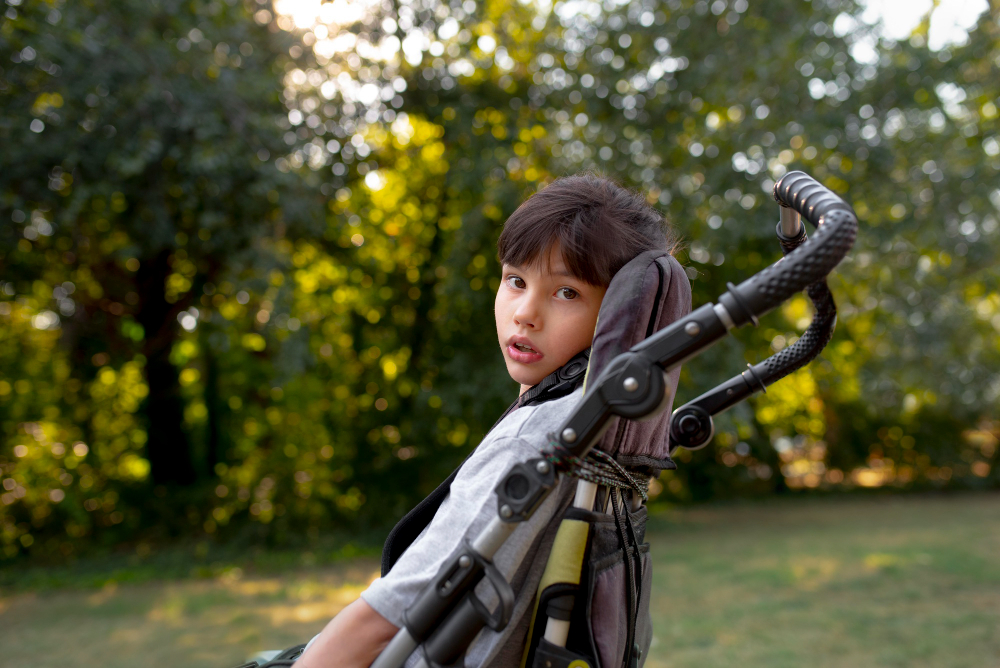
Cerebral palsy in children is a group of conditions that affect movement, muscle tone, and posture. It happens when a child’s brain develops abnormally or gets damaged before, during, or soon after birth. Because of this, children with cerebral palsy may have trouble controlling their muscles. Although the condition does not get worse over time, the challenges can change as the child grows. Early support and therapy can help children reach their full potential.
Common Symptoms and Challenges
Children with cerebral palsy can show different symptoms. Some may have mild issues, while others face more severe challenges. For example, many children have trouble walking or balancing. Others may find it hard to use their hands or speak clearly. In addition, some children experience seizures or learning difficulties. Because every child is unique, symptoms can vary widely. However, most children with cerebral palsy share some common challenges:
According to the CDC, cerebral palsy is the most common motor disability in childhood. But with the right care, many children can improve their abilities.
The Role of Therapy in Cerebral Palsy
Therapy plays a key role in helping children with cerebral palsy. Because therapy is tailored to each child’s needs, it can address specific challenges. For instance, therapy helps children build muscle strength, improve balance, and learn new skills. In many cases, therapy also supports independence in daily life. Early and regular therapy can make a big difference in a child’s progress. Moreover, therapists work closely with families to set goals and track improvements.
Types of Therapies Used
Several types of therapy can help children with cerebral palsy. Each type targets different skills and needs. Here are the most common therapies:
Because each child is different, a team of therapists often works together to create the best plan.
How Therapy Builds Strength and Independence
Therapy helps children with cerebral palsy in many ways. First, it builds muscle strength, making it easier to move and play. Next, therapy teaches children how to do daily tasks on their own. For example, a child may learn to dress or feed themselves. Over time, therapy also boosts confidence and self-esteem. As children gain new skills, they become more independent at home and school. In addition, therapy can prevent future problems, such as joint stiffness or pain. Because therapy is ongoing, children keep improving as they grow.
Tips for Parents and Caregivers
Supporting a child with cerebral palsy can feel overwhelming. However, there are many ways parents and caregivers can help:
Remember, every child develops at their own pace. Patience and encouragement go a long way.
Prevention and Early Intervention
While not all cases of cerebral palsy can be prevented, some steps may lower the risk. For example, regular prenatal care during pregnancy can help spot and treat health problems early. Vaccinations and good nutrition also support a healthy pregnancy. In addition, early screening for developmental delays helps children get therapy sooner. According to the World Health Organization, early intervention leads to better outcomes for children with cerebral palsy. Therefore, if you notice delays in your child’s movement or speech, talk to your doctor right away.
Conclusion
Cerebral palsy in children can bring many challenges. However, therapy offers hope by building strength and independence. With the right support, children can learn new skills and enjoy a better quality of life. For the best results, consult a pediatric specialist and therapist Dr.Raghuveer Raju Boosa for personalized guidance on cerebral palsy management.