
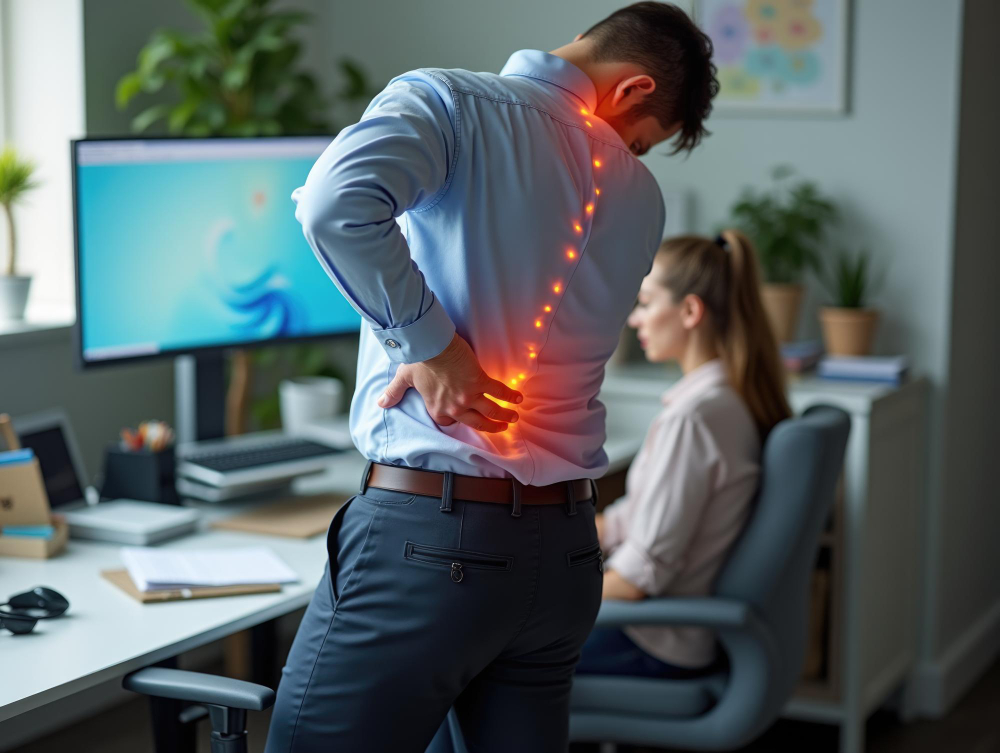
Many people experience discomfort in their lower back. However, not all back pain is the same. Back Pain vs Sciatica is a common topic because these conditions often get confused. Knowing the difference between back pain and sciatica helps you find the right treatment. In this blog, we will explain what each condition means, their symptoms, and how to manage them. Understanding these differences can help you make better choices for your health.
What is Back Pain?
Back pain is a general term for discomfort or pain felt anywhere in the back. Usually, it affects the lower back, but it can also occur in the upper or middle back. Most people will have back pain at some point in their lives. In fact, the World Health Organization states that back pain is one of the leading causes of disability worldwide. Sometimes, back pain is mild and goes away on its own. Other times, it can be severe and last for weeks.
What is Sciatica?
Sciatica is a specific type of pain. It happens when the sciatic nerve, which runs from your lower back down each leg, gets irritated or pressed. As a result, pain travels from your lower back through your buttock and down your leg. Unlike general back pain, sciatica usually affects only one side of your body. According to the CDC, sciatica is less common than general back pain but can be more intense.
Key Differences Between Back Pain and Sciatica
It is important to know the difference between back pain and sciatica. Here are some key points:Back pain can occur anywhere in the back, while sciatica follows the path of the sciatic nerve.Sciatica often causes pain that shoots down one leg, but back pain usually stays in the back.Back pain may be dull or sharp, while sciatica often feels like burning or electric shock.Sciatica can cause numbness or tingling in the leg, which is rare in simple back pain.
Common Symptoms
Both conditions can cause discomfort, but their symptoms are different. For example, sciatica has some unique signs. Here are the common symptoms for each:Back Pain: Aching, stiffness, or sharp pain in the back. Pain may get worse with movement or after sitting for long periods.Sciatica Symptoms: Shooting pain down one leg, numbness, tingling, or weakness in the leg or foot. Pain may worsen when coughing or sneezing.
Causes and Risk Factors
Understanding what causes these conditions helps you prevent them. Although both can have similar triggers, some causes are unique.Back Pain Causes: Muscle strain, poor posture, lifting heavy objects, arthritis, or injury.Sciatica Causes: Herniated disc, bone spurs, or narrowing of the spine pressing on the sciatic nerve.
Risk factors for both include:Age (risk increases as you get older)Lack of exerciseObesityJobs that require heavy lifting or long periods of sittingSmoking
Diagnosis Methods
Doctors use several methods to find out if you have back pain or sciatica. First, they ask about your symptoms and medical history. Then, they may do a physical exam. Sometimes, tests like X-rays, MRI, or CT scans help find the cause. For example, these tests can show if a herniated disc is pressing on the sciatic nerve. Early diagnosis helps you get the right treatment.
Treatment Options
Treatment depends on the cause and severity of your pain. Most cases improve with simple steps. However, some may need more care. Here are common treatment options:Rest and gentle movementPhysical therapy or exercisesPain relievers (as advised by your doctor)Hot or cold packsStretching and strengthening exercisesFor severe cases, injections or surgery may be needed
If you are looking for back pain treatment in your city, many clinics offer specialized care. Always talk to a healthcare provider before starting any treatment.
Prevention and Lifestyle Tips
While not all back pain or sciatica can be prevented, you can lower your risk. Try these simple tips:Maintain good posture, especially when sittingExercise regularly to keep your back and core strongLift objects with your legs, not your backTake breaks from sitting or standing for long periodsMaintain a healthy weightQuit smoking
With these steps, you can help protect your back and reduce your risk of pain.
If you are experiencing back pain or sciatica symptoms, consult a physiotherapist at Rohinis Physiotherapy for personalized advice.