
Introduction
Physiotherapy for hip strength and core endurance is important for everyone. Strong hips and a stable core help you move better each day. They also protect you from injuries, especially during sports or daily tasks. Because weak hip and core muscles can lead to pain or falls, many people seek help from physiotherapy clinics near them. In this blog, you will learn why hip strength and core endurance matter, how physiotherapy helps, and which exercises are safe and effective.
What Is Physiotherapy for Hip Strength and Core Endurance?
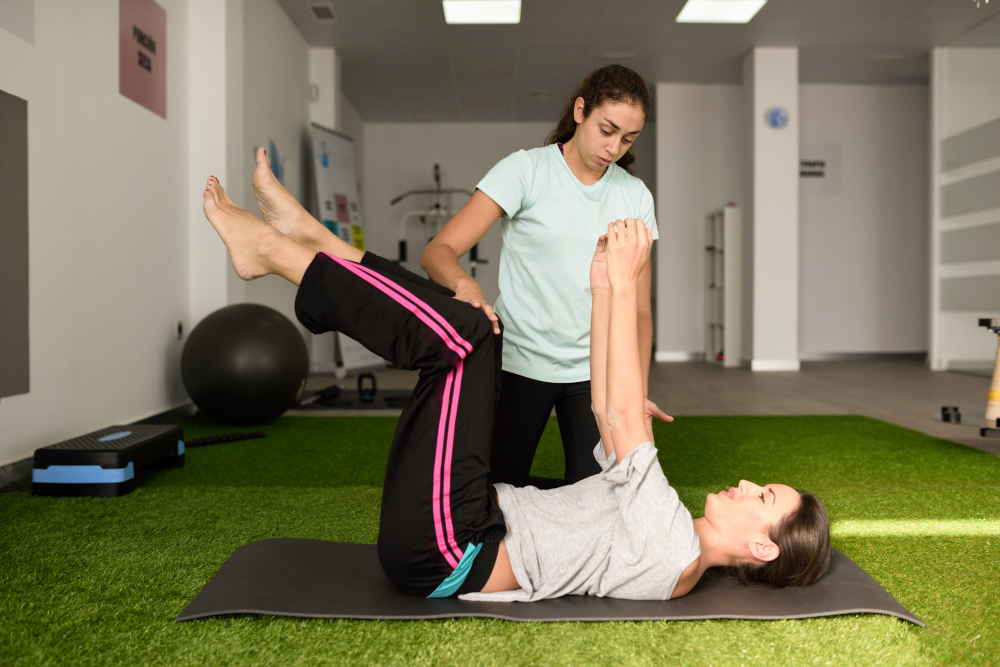
Physiotherapy for hip strength and core endurance uses special exercises and treatments. These help build muscle, improve balance, and boost your body’s support system. For example, physiotherapists design plans that target weak areas and teach you safe ways to move. As a result, you can enjoy daily life with less pain and more confidence. Many people use hip strengthening physiotherapy to recover from injuries or prevent them in the first place.
Common Causes of Weak Hips and Core
Many things can cause weak hip and core muscles. Often, sitting for long hours or not moving enough leads to muscle loss. Sometimes, injuries or surgery can make these muscles weaker. In addition, aging and certain health conditions may also play a role. Because of these factors, it is important to stay active and follow physiotherapy tips for core strength.
Signs and Symptoms of Weak Hip and Core Muscles
Weak hips and core muscles can show up in many ways. For instance, you may notice:Lower back pain or stiffnessHip pain, especially after walking or standingPoor balance or frequent fallsDifficulty standing up from a chairFatigue during simple activities
Because these signs can affect your daily life, it is wise to address them early.
How Physiotherapy Helps: Benefits and Goals
Physiotherapy offers many benefits for hip strength and core endurance. First, it helps reduce pain and swelling. Next, it improves your balance and posture. Over time, you will notice more strength and better movement. In addition, physiotherapy can help prevent hip injuries and lower your risk of falls. The main goals are to restore function, boost confidence, and keep you active. According to the World Health Organization (WHO), regular exercise and therapy can improve quality of life for people of all ages.
Effective Physiotherapy Exercises
Physiotherapists often recommend simple exercises for hip and core strength. Always start slowly and follow your therapist’s advice. Here are some common core endurance exercises and hip strengthening moves:Bridges: Lie on your back, bend your knees, and lift your hips up.Clamshells: Lie on your side, bend your knees, and open your top knee like a clamshell.Side-lying leg lifts: Lie on your side and lift your top leg up and down.Planks: Hold your body straight on your elbows and toes.Bird-dog: On hands and knees, extend one arm and the opposite leg, then switch.Standing hip abduction: Stand tall and lift one leg out to the side.
Because each person is different, your physiotherapist may suggest other exercises that fit your needs.
Tips for Safe Exercise and Injury Prevention
To stay safe and prevent hip injuries, keep these tips in mind:Warm up before you start any exercise.Use slow, controlled movements.Stop if you feel sharp pain or discomfort.Wear comfortable shoes and clothing.Drink water before, during, and after exercise.Rest between sessions to let your muscles recover.Follow physiotherapy tips for core strength from your therapist.
Because safety comes first, always listen to your body and ask for help if needed.
When to See a Physiotherapist
If you have ongoing pain, weakness, or trouble moving, it may be time to see a physiotherapist. Early care can prevent problems from getting worse. In addition, if you are recovering from surgery or an injury, a physiotherapist can guide you safely. Many physiotherapy clinics near you offer personalized plans for hip and core strength. Do not wait if you notice signs of weakness or pain.
In summary, physiotherapy for hip strength and core endurance can help you stay active and pain-free. For the best results, consult a qualified physiotherapist at Rohini’s Physiotherapy for personalized guidance on hip and core strengthening.