
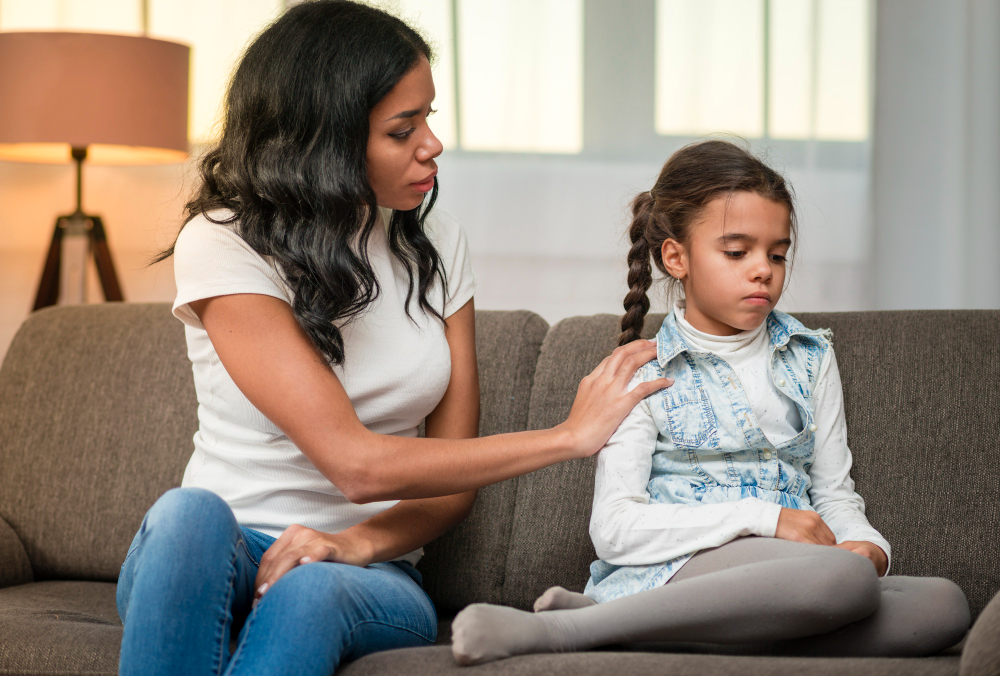
Understanding Shyness vs. Communication Struggles
Many parents wonder, “Is my child just shy or struggling to communicate?” This question is common, especially when children seem quiet or avoid talking. Shyness is normal for many kids. However, some children may have trouble with communication. Knowing the difference can help you support your child’s growth. While shyness means feeling nervous in new situations, communication struggles can affect how a child speaks, understands, or interacts with others. For example, a shy child may warm up over time, but a child with a communication disorder may continue to have trouble expressing themselves.
Common Signs Parents Might Miss
Sometimes, parents overlook early signs of communication problems. Yet, noticing these signs early can make a big difference. Watch for these signs:
On the other hand, a shy child may speak less in groups but can communicate well at home. If you notice these signs often, it may be more than shyness.
Causes and Risk Factors
There are many reasons why a child may struggle to communicate. Some common causes include:
Additionally, stressful life events or changes can affect how a child communicates. Early support can help reduce these risks.
How to Identify Communication Disorders
It can be hard to tell if your child has a communication disorder. However, there are some steps you can take. First, compare your child’s speech and language skills to age-based milestones. The CDC and WHO provide helpful charts for this. Next, talk to your child’s teacher or caregiver. They may notice things you do not see at home. If you still have concerns, a speech-language pathologist can assess your child. Early testing is important, as it can lead to better outcomes.
When to Seek Professional Help
Sometimes, waiting to see if your child “grows out of it” can delay needed support. You should seek help if:
Moreover, if your child’s struggles affect school or friendships, it is time to consult a specialist. Early help can make a big difference.
Tips for Parents: Supporting Your Child
There are many ways parents can help at home. For instance, you can:
Additionally, stay patient and positive. Children learn best when they feel safe and supported.
Prevention and Early Intervention
Early action can prevent bigger problems later. For example, regular hearing checks can catch issues early. Also, exposing your child to books, songs, and conversations helps build strong language skills. If you notice delays, do not wait. Early intervention programs offer support for children under age three. According to the CDC, children who get help early often make the most progress.
Consult a specialist Dr. Raghuveer Raju Boosa for personalized guidance.